ChatGPT Image 3. Aug. 2025, 19_21_31

Start your journey now.

Do you want to become a DJ but don’t know where to start? No problem! Here you’ll find all the essential steps to get into DJing with confidence and structure.

"Progress is not achieved by luck or accident, but by working on yourself every single day."

Get started

How would we proceed?

Find your style & your goal

Think about which genre you want to play — whether it’s house, techno, hip-hop, or something completely different. Your musical focus will help you choose your setup and tracks more deliberately.

Choose software & equipment

Decide on a DJ software such as Rekordbox, Serato, or Virtual DJ and find out which DJ setup suits you best. To get started, you don’t need much — a laptop, a beginner controller, and good headphones are more than enough.

Fundamental
Learn the DJ basics

Start with the basics like beatmatching, transitions, and EQ settings to create smooth mixes. With a bit of practice, you’ll quickly develop a feel for rhythm, timing, and the dynamics of a set.

Start mixing & share your music

Use online courses or video tutorials to build your knowledge step by step. Once you’re ready, record your first mix and get feedback from the community or from friends.

GET STARTED

Start with the Basics

Beatmatching

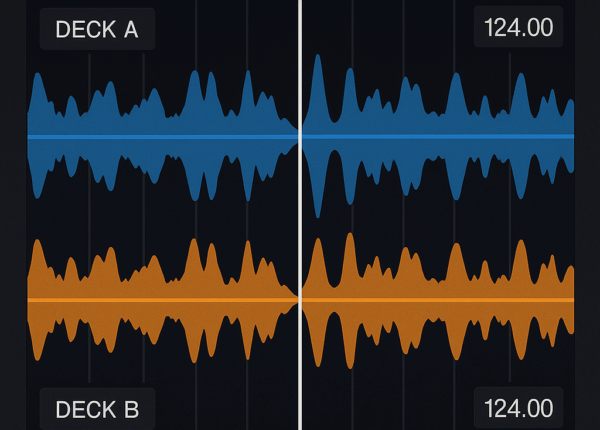
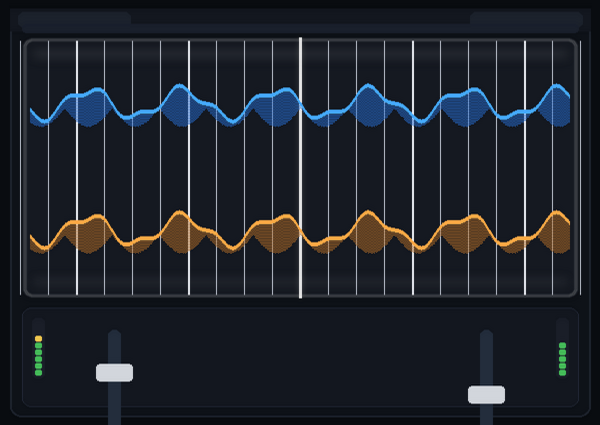
Bring two tracks perfectly in sync on the first beat — without using the sync button

EQ-Settings

The famous knobs — when and how to turn them, you’ll learn here with examples and real use cases

Transitions

When the audience doesn’t even notice that a new track is coming on smoothly and naturally over time

hero@2x-f73736e4
Our beginner tip
Djay

Why start with a controller?

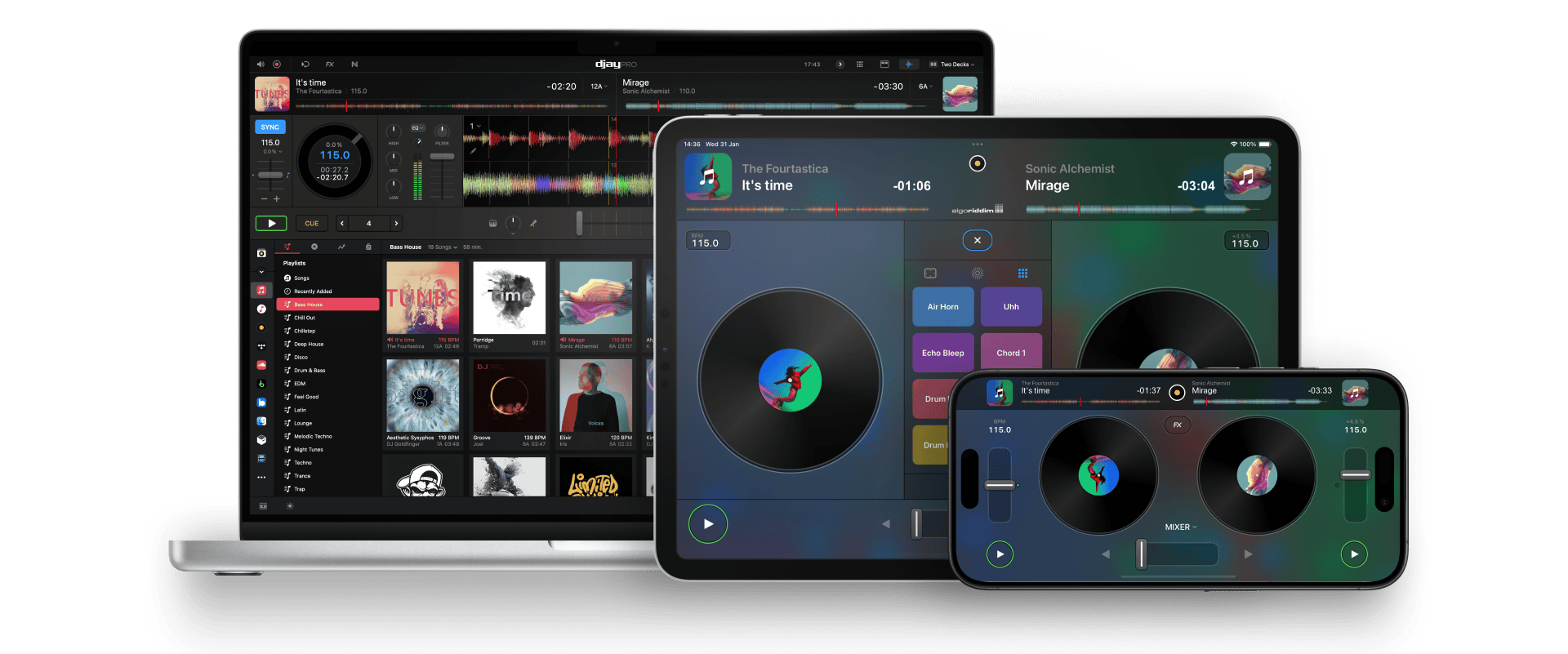
The Djay app offers an easy and cost-effective entry into DJing and is perfect for getting started. It’s available on both smartphones and laptops and can later be connected to selected controllers as a next step.

Skills

What will be important on your journey

Focus and perseverance

Projects often come with challenges, setbacks, and unexpected obstacles. Focus helps you stay on track, and perseverance ensures you keep going even during difficult phases.

Self-organization and time management

Personal projects often compete with other commitments. Effective self-organization makes it possible to set priorities, plan tasks, and meet deadlines. Create to-do lists and work in structured time blocks.

Creativity and problem-solving skills

Projects often require innovative ideas and the ability to solve unexpected problems. Creativity helps you find new approaches, and problem-solving skills enable you to overcome obstacles.

One step. After another.

Getting started with learning can be really tricky. We all know these initial hurdles: uncertainty, procrastination, maybe even a bit of fear of the unknown. But hey, that’s completely normal!

The thing is, the first step is often the hardest. Self-doubt can be annoying, but it’s no reason to give up. Sometimes all that’s missing is a clear plan. If you set clear goals and break the learning material into small chunks, it suddenly becomes much more manageable.

And yes, it can take a while before you see progress. That’s normal! Learning isn’t a sprint, it’s more like a marathon. Everyone has their own pace, so don’t constantly compare yourself to others. Small wins matter too — they show you that you’re on the right path.

Even if the beginning is bumpy, success will come. It may take time, but with perseverance and a positive mindset, you’ll get there. Learning can be fun if you focus on the small victories and remind yourself that every step counts.


Scroll
Copy link